Musical Form
Choral Music
Music for a group of singers, sacred and secular, across the entire timeline.
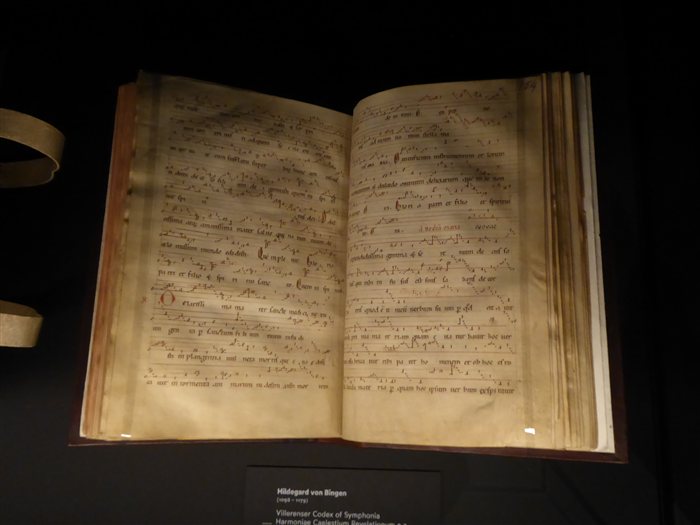
Vocal / Choral
Choral music is written for a group of singers - a choir - performing together, with or without instrumental accompaniment. It's the oldest thread on this entire timeline: Medieval Gregorian chant, sung by monks in unison, is choral music in its simplest form, and choral writing has continued evolving in parallel with every other genre ever since.
The Renaissance is where choral music reaches an early peak of technical sophistication, with composers weaving multiple independent vocal lines into dense, carefully balanced polyphony for church use. Later eras built larger-scale choral forms on that same foundation: the requiem and the mass (settings of the Catholic liturgy), the oratorio and cantata (concert-length works combining choir, soloists, and orchestra, often on religious or narrative themes), and countless secular choral works besides.
Because it doesn't require any instrument at all beyond the human voice, choral music has also remained one of the most widely accessible ways for ordinary people to participate in classical music-making, not just listen to it.
Where to start listening: Handel's Messiah (specifically its "Hallelujah" chorus) is the most famous large-scale choral work; for something quieter, Hildegard von Bingen's chant is choral music at its oldest and most stripped-back.