Musical Form
Serialism / Twelve-Tone Music
A compositional method that treats all twelve notes as equals.
20th Century Technique
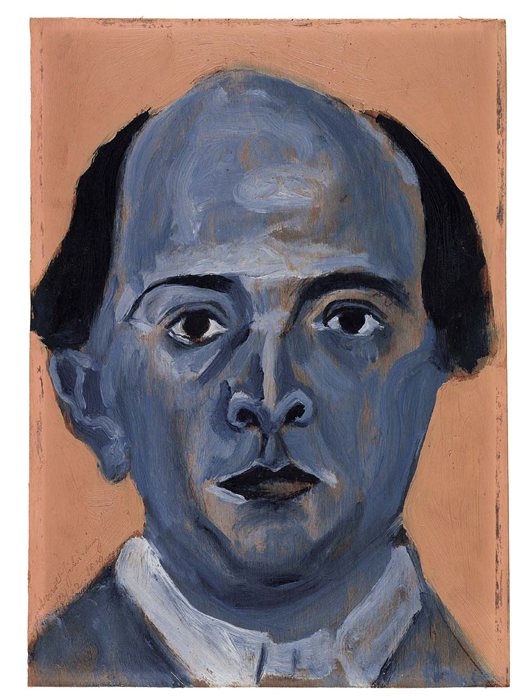
Serialism, and specifically the twelve-tone technique that Arnold Schoenberg developed in the 1920s, is a method for composing music without a traditional home key. The composer arranges all twelve notes of the chromatic scale into a fixed sequence, called a tone row, and then builds the entire piece from that row and its transformations (played backward, upside down, or both), with no single note allowed to function as a tonal center the way a home key would in earlier music.
The technique was a deliberate, radical break from centuries of tonal harmony, and it proved hugely influential on later 20th-century composers, even those who eventually moved away from it - it reframed what "organizing" a piece of music could even mean, beyond a home key and its relationships. Schoenberg, along with his students Alban Berg and Anton Webern, is often grouped as the Second Viennese School; the postwar generation that followed - Messiaen, Boulez, Babbitt, and Stockhausen, drawing especially on Webern's example - pushed the underlying idea further, applying serial ordering not just to pitch but to rhythm, dynamics, and articulation as well, a more extreme approach sometimes called total serialism.
The technique remains genuinely divisive: some listeners and critics prize its rigor and the way it opened composition to material tonal harmony couldn't reach, while others find twelve-tone music deliberately, even punishingly, difficult to follow by ear - a debate that was already alive in Schoenberg's own lifetime and hasn't fully settled since.
Where to start listening: Schoenberg's Pierrot Lunaire (written slightly before he formalized the twelve-tone method, but in the same harmonic world) is a good introduction to the sound before tackling a fully twelve-tone work.