Musical Form
Film Score
The orchestral tradition, still very much alive, on movie screens.
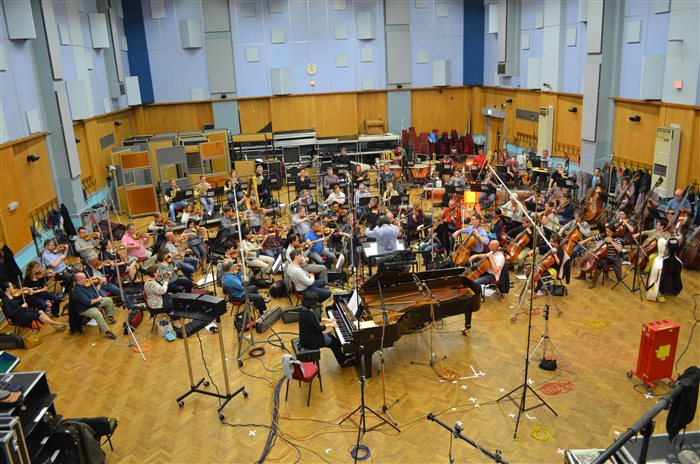
Modern Application
A film score is orchestral (or sometimes electronic, or a mix of both) music written to accompany a film, and it's arguably the place where the classical orchestral tradition reaches the widest modern audience by far
- far more people have heard John Williams's Star Wars score than have heard most Romantic-era symphonies performed live.
Film composers draw heavily on Late Romantic orchestral technique, especially the sound world of Wagner and Richard Strauss. One tool borrowed directly from Wagner's operas is the leitmotif: a short, recognizable musical theme attached to a specific character, place, or idea, which recurs and transforms throughout a score as that element's role in the story develops. Williams's Force theme and Imperial March are both leitmotifs in exactly this sense.
A score's job is also functional in a way concert music's usually isn't: it has to match specific timings, support dialogue rather than compete with it, and shift mood on cue - which makes film composition a distinct compositional skill even when the musical language it draws on is over a century old.
Where to start listening: John Williams's scores for Star Wars, Jaws, and Schindler's List each show a different mode - adventure, tension, and elegy - from the same composer.