Musical Form
Fugue
A melodic idea, chased through the voices that follow it.
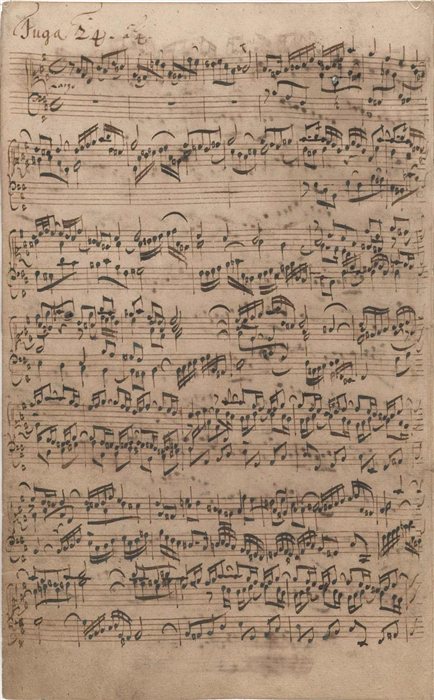
Form / Technique
A fugue is built from a single short melodic idea, called the subject, which is introduced by one voice alone and then imitated, in turn, by each other voice in the texture - each new entrance typically starting while the previous voices continue on with related material. The word comes from the Latin fuga, "flight" or "chase," which is a fair description of what it sounds like: one idea, pursued through the texture.
Fugues are the high point of counterpoint - the technique of combining multiple independent melodic lines so they work together harmonically. Writing a good fugue is often treated as a serious test of compositional craft, since the composer has to keep a single idea coherent and interesting across every voice simultaneously.
Johann Sebastian Bach is the composer most associated with the form
- his Well-Tempered Clavier is a landmark collection pairing a prelude and fugue in every major and minor key.
Where to start listening: Bach's "Little" Fugue in G minor is a compact, clear example of the subject entering one voice at a time; listen for the same short melodic idea reappearing throughout.