Musical Form
Ballet Music
Orchestral music written to be danced.
Orchestral / Staged
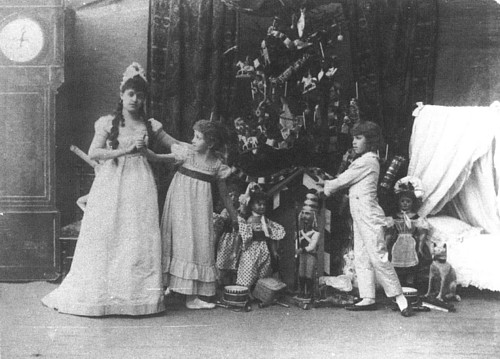
Ballet music is orchestral music composed specifically to accompany a staged dance work, which means it has to serve the choreography and storytelling on stage as much as it works as concert music on its own. Composers write with tempo, phrase length, and mood tied closely to what dancers are physically doing at each moment.
Tchaikovsky's ballets - Swan Lake, The Nutcracker, The Sleeping Beauty - are the genre's best-known achievements, full of vivid, danceable melody. A very different approach arrives with Stravinsky's The Rite of Spring, whose violent, irregular rhythms were written for dance but shocked its 1913 premiere audience so badly it reportedly sparked a riot - proof that ballet music doesn't have to be gentle. Prokofiev's Romeo and Juliet sits between those extremes, using short, tightly characterized musical motifs to track individual characters and their fates across the story, much like a leitmotif in opera.
Full ballet scores today are actually heard less often on stage than in the concert hall, where audiences typically encounter them as a concert suite - a condensed sequence of the score's best movements, stripped of the material written purely to cover choreography and scene changes.
Where to start listening: Tchaikovsky's The Nutcracker suite is warm and immediately familiar; Stravinsky's The Rite of Spring shows the same genre pushed to its most confrontational extreme.