Musical Form
Requiem
A musical setting of the Mass for the dead.
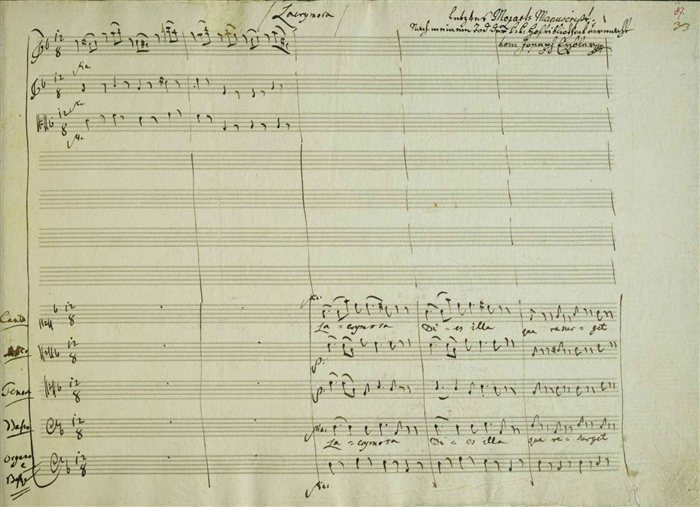
Choral
A requiem is a musical setting of the Requiem Mass, the Catholic liturgy for the dead, for chorus, vocal soloists, and (in most concert versions) orchestra. It follows a largely fixed Latin text - sections like the Introit, Kyrie, Dies irae, and Agnus Dei recur across almost every requiem setting, which makes it interesting to compare how differently composers treat the exact same words.
Some requiems stay close to their liturgical, devotional origins; others, especially in the Romantic era, become large-scale dramatic concert works
- Verdi's Requiem is famously operatic in scale and intensity, closer in spirit to his operas than to a hushed church service.
Not every requiem even uses the traditional Latin text. Brahms's A German Requiem sets his own selection of German biblical passages instead, and deliberately shifts the focus away from the traditional Latin text's fear of judgment toward comforting the living who are grieving. Fauré's Requiem takes a gentler path still, cutting the fire-and-brimstone Dies irae sequence almost entirely and aiming for a serene, consoling mood rather than dramatic terror - a useful contrast to Verdi's approach.
Composers to know: Mozart's Requiem (left unfinished at his death and completed by a student) and Verdi's Requiem are the two most performed and most contrasting settings.
Where to start listening: Mozart's Requiem, particularly its Lacrimosa movement, is the genre's most famous single passage.