Musical Form
Chamber Music
Music for a small group, written to be heard in a room, not a concert hall.
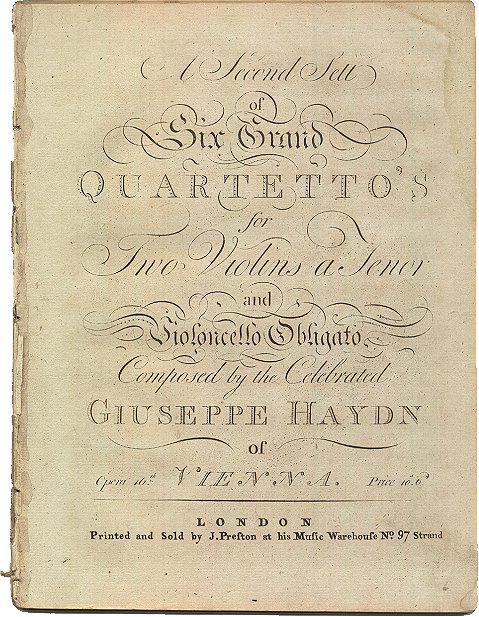
Chamber
Chamber music is classical music written for a small group of players
- anywhere from two to around eight or nine musicians - with one player per part, and no conductor. The name comes from its original setting: a private room ("chamber") in a home or palace, rather than a public concert hall or opera house.
That intimacy shapes the music itself. Without a conductor to unify the group, and without the option to hide a weak passage inside a large orchestral texture, chamber music depends on close listening and communication between the performers - it's often described as a musical conversation. Common chamber groupings include the string quartet (two violins, viola, cello), the piano trio (violin, cello, piano), and various wind and mixed-instrument ensembles.
Because it doesn't require the expense and scale of a full orchestra, chamber music has historically been one of the most personal and experimental spaces for composers, and remains a core part of how classical musicians perform together outside of orchestral settings.
Where to start listening: Schubert's "Trout" Quintet is a warm, melodic entry point; from there, any Haydn or Beethoven string quartet is a natural next step.