Composer
Giuseppe Verdi
Italian opera's dominant Romantic-era voice, for nearly sixty years.
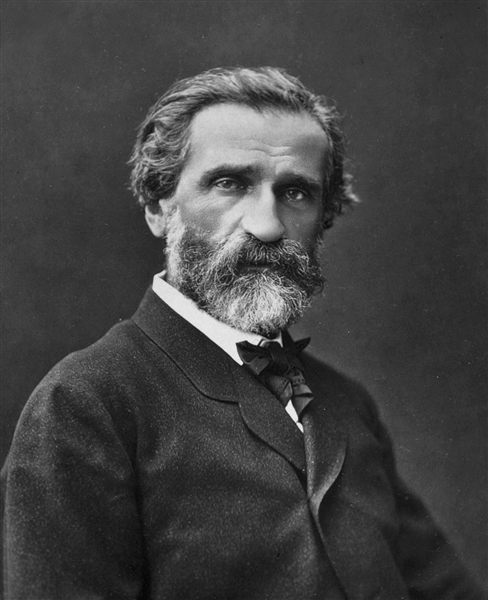
Giuseppe Verdi dominated Italian opera for the better part of six decades, writing music built around direct, powerful melody and real dramatic and emotional stakes - qualities that have kept his operas among the most frequently performed in the world, well over a century after his death.
La Traviata and Aida show two different sides of his range: the former an intimate tragedy about a Parisian courtesan, the latter a grand-scale spectacle set in ancient Egypt, complete with some of opera's most famous processional music. Despite writing almost exclusively for the stage, Verdi's Requiem, composed to honor the writer Alessandro Manzoni, whom he revered, stands apart
- a large-scale sacred choral work so dramatic and theatrical in character that it's often described as "an opera in disguise."
Verdi also became a symbol of Italian national identity during his lifetime, with his operas' themes of freedom and struggle resonating directly with the movement toward Italian unification underway across his career.
Where to start listening: "La donna e mobile" from Rigoletto is one of opera's most famous melodies; the "Triumphal March" from Aida shows his gift for large-scale spectacle.