Musical Form
Prelude
A short introductory piece - that became a standalone form in its own right.
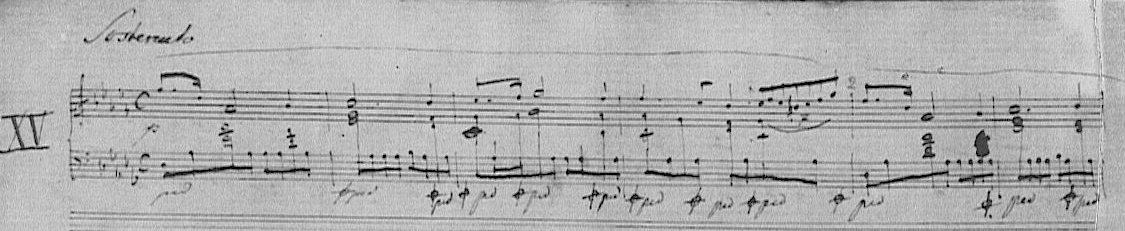
Solo / Keyboard
A prelude is, by original definition, a short piece that introduces something larger - in the Baroque era, most often paired directly with a fugue, functioning almost like a warm-up before the fugue's more rigorous counterpoint. Bach's Well-Tempered Clavier pairs a prelude and fugue in every key, and each prelude has its own distinct character despite its introductory role.
By the Romantic era, composers had detached the prelude from anything it was supposed to introduce, treating it instead as a complete, standalone character piece - usually brief, often exploring a single mood or technical idea. Chopin's 24 Preludes are the clearest example: each one is self-sufficient, with nothing following it.
Both composers organized their sets the same structural way, moving through all 24 major and minor keys, a nod back to the prelude's Baroque role as a showcase for playing comfortably in any key. Debussy's two books of Preludes, written a half-century after Chopin's, keep the short, self-contained format but add evocative titles ("The Sunken Cathedral," "Footsteps in the Snow") that Debussy pointedly printed only at the end of each piece, so the music would suggest its own image before the listener saw the name.
Where to start listening: Bach's Prelude in C major (from the Well-Tempered Clavier, Book 1) is deceptively simple and widely recognizable; Chopin's Prelude in E minor, Op. 28 No. 4, shows the Romantic-era standalone version.