Musical Era
Contemporary / Modern Classical
Minimalism, film scores, and a living, still-unfolding tradition.
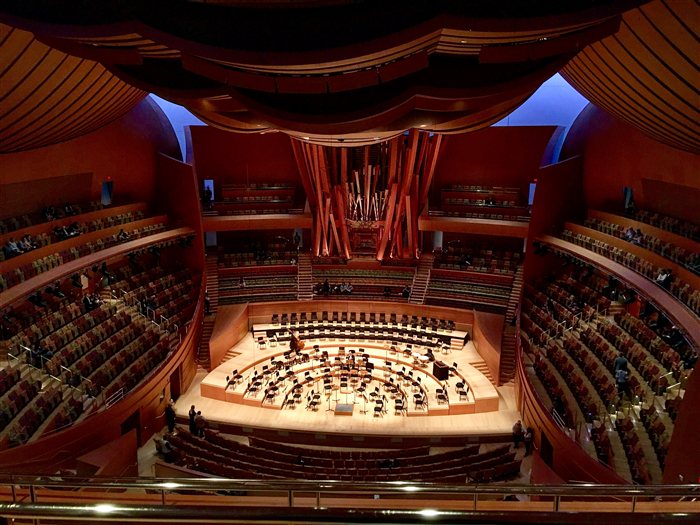
Classical music didn't stop evolving in the 20th century's first half
- it just splintered into far more directions than any single era label can neatly capture. One major thread is minimalism: composers like Philip Glass and Steve Reich build pieces from small repeating patterns that shift gradually over long stretches of time, trading the dramatic contrast of earlier eras for hypnotic, incremental change.
Another major thread is orchestral film scoring, which keeps the symphonic tradition alive for enormous mainstream audiences who might never otherwise seek out a concert hall. John Williams's scores for Star Wars, Jaws, and Schindler's List use Late Romantic orchestral language - Wagner and Strauss's toolkit - in service of modern storytelling.
Composers today also freely draw on electronic instruments, extended techniques (unconventional ways of playing traditional instruments), and ideas borrowed from jazz, pop, and non-Western traditions, making this the most stylistically varied era on this timeline by far.
Composers to know: Philip Glass (minimalism) and John Williams (film scoring), as two very different but equally influential living traditions.
Where to start listening: John Williams's Star Wars main theme is familiar territory that clearly shows its Romantic-era roots; Philip Glass's Glassworks is a gentle, approachable introduction to minimalism.