Musical Form
Symphonic Poem
A single-movement orchestral work that tells a story.
Orchestral
A symphonic poem (also called a "tone poem") is a single-movement work for orchestra built to depict something specific - a story, a poem, a painting, a landscape - rather than following the abstract multi- movement logic of a symphony. Where a symphony's structure is justified by its own internal musical logic, a symphonic poem's structure follows its subject.
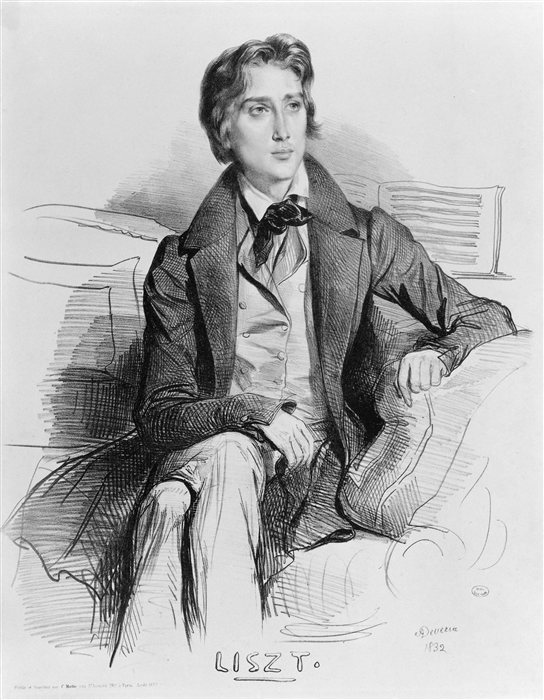
Franz Liszt coined the term and pioneered the form in the mid-1800s, and it became a favorite vehicle for Romantic and Late Romantic composers who wanted to fuse orchestral music with literature, myth, or vivid scene-painting. Richard Strauss's tone poems are especially famous for their detailed, almost cinematic depiction of their subjects.
The form also became a natural outlet for musical nationalism: composers used it to depict their own country's landscapes, folklore, and history in a way a symphony's abstract structure didn't easily accommodate. Bedřich Smetana's cycle Má vlast ("My Homeland"), whose best-known movement musically traces the Vltava river through the Czech countryside, and Jean Sibelius's Finlandia, are both prime examples of the symphonic poem put to explicitly patriotic use.
Where to start listening: Richard Strauss's Also sprach Zarathustra (inspired by Nietzsche) opens with one of the most recognizable passages in all of orchestral music; Dukas's The Sorcerer's Apprentice tells its story just as vividly. Smetana's The Moldau is a gentler, more melodic entry point.