Musical Era
Renaissance
Polyphony matures, and instrumental music finds its voice.
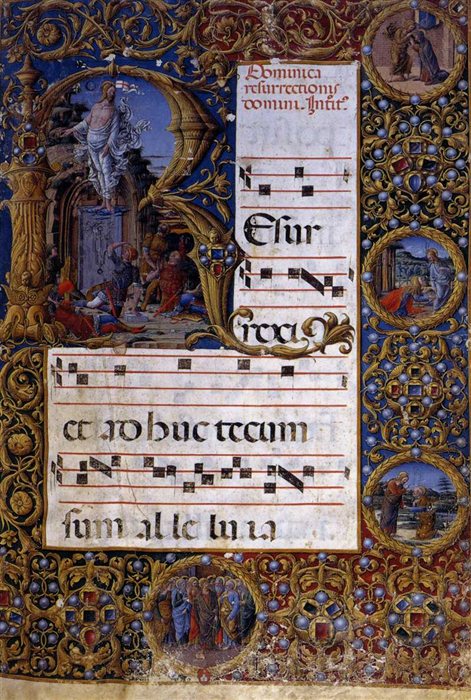
Where the Medieval era ended with the first tentative steps into polyphony, the Renaissance is where that idea comes into full bloom. Composers wrote dense, interweaving vocal lines - sacred masses and motets for church, and secular madrigals for entertainment - with a new emphasis on balance and clarity between voices, echoing the same ideals of proportion that Renaissance painters and architects were chasing at the same time.
This is also the period when instrumental music starts to stand on its own, rather than simply doubling or accompanying singers. Dances, and pieces written specifically for viols, lutes, and early keyboard instruments, begin appearing as genuine repertoire in their own right.
Where to start listening: a madrigal collection (Monteverdi's early books are a good entry point) shows off the era's combination of intricate vocal writing and real emotional expression in the text.