Musical Form
String Quartet
Two violins, a viola, and a cello - chamber music's most demanding conversation.
Chamber
A string quartet is both an ensemble (two violins, one viola, one cello) and the genre of music written for that ensemble. With no conductor and no larger orchestral forces to hide behind, every voice in a string quartet is exposed, which makes the form a favorite proving ground for composers wanting to demonstrate pure compositional skill without orchestral color to lean on.
Joseph Haydn essentially established the genre in its familiar form (four players, four movements, following symphonic structural logic at chamber scale), and it became one of the most prestigious forms a composer could write in - Mozart, Beethoven, Brahms, and virtually every major composer since Haydn tried their hand at it, often treating their quartets as some of their most personal or exploratory work.
Because the four instruments are so evenly matched in register and character, string quartet writing tends to foreground counterpoint ( independent melodic lines working together) and close musical argument, in a way that's more exposed than in orchestral writing.
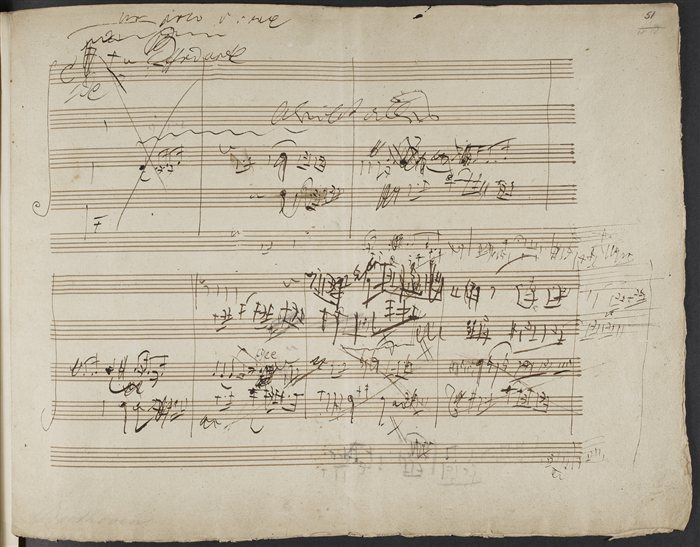
Where to start listening: Haydn's Op. 76 quartets, his last complete set, show the genre at his own mature mastery; Beethoven's late quartets (written near the end of his life) are considered some of the most profound and challenging works in the entire chamber repertoire.