Musical Form
Cantata
A shorter multi-movement work for voices and instruments, built to be sung rather than acted.
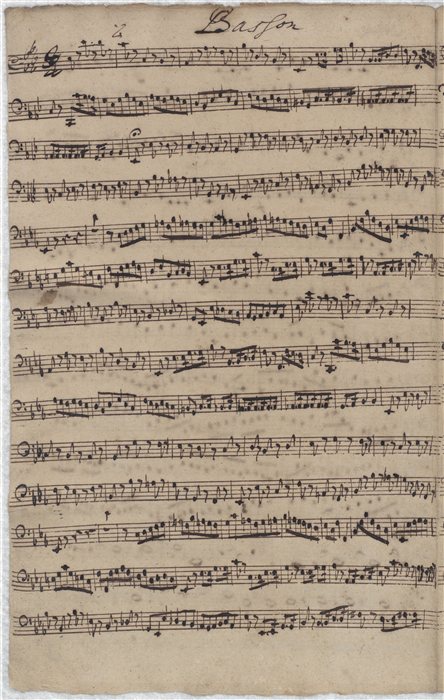
Vocal / Choral
A cantata is a multi-movement work combining vocal soloists, often a choir, and a small instrumental ensemble, alternating between arias, recitatives, and choral movements - essentially opera's musical toolkit, but performed in a concert or church setting rather than staged.
The form was central to Baroque-era church life: Johann Sebastian Bach, in his role as a church musician, wrote a new cantata most weeks for Sunday services, resulting in an enormous surviving output (around 200 church cantatas) that ranges from intimate small-scale pieces to substantial, symphonic works. Each week's cantata was typically tied to that Sunday's assigned scripture reading, often built around the melody of a familiar Lutheran chorale (hymn tune) that the congregation would have recognized, giving the form a functional role closer to an extended sermon-in-music than a standalone concert piece.
Not every cantata was sacred, either: composers also wrote secular cantatas for court celebrations, birthdays, or civic occasions, using the same alternating recitative-and-aria structure borrowed from opera but on non-religious texts - Bach's own "Coffee Cantata," a lighthearted piece satirizing Leipzig's fashion for coffee-drinking, is a well-known example that shows the form's range beyond church use.
Where to start listening: Bach's Cantata No. 140, "Wachet auf," is one of the most celebrated examples, especially its famous chorale movement. The "Coffee Cantata" (BWV 211) makes a good contrasting listen - the same musical toolkit turned toward comedy.