Musical Form
Concerto
A soloist and an orchestra, in conversation and in contest.
Orchestral
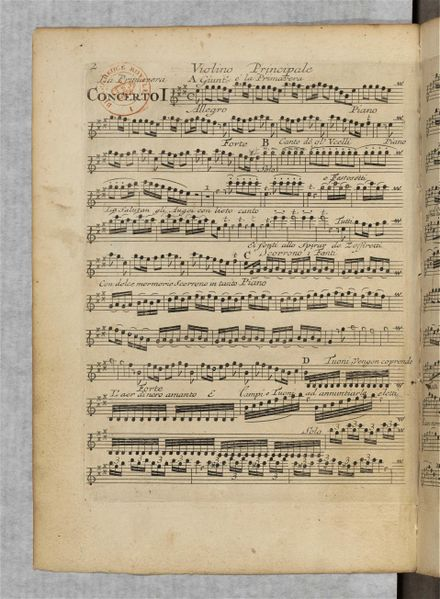
A concerto sets a solo instrument - violin, piano, and cello are the most common, though almost any instrument has concertos written for it
- against a full orchestra. The core idea is contrast and dialogue: the soloist and orchestra trade musical material, sometimes cooperating, sometimes seeming to compete, with the soloist typically given the more virtuosic, spotlighted material.
The form took shape in the Baroque era, where composers like Vivaldi established a pattern of alternating orchestral sections with solo episodes. By the Classical and Romantic eras, the concerto had become a three-movement showcase (fast–slow–fast) and a vehicle for tremendous technical display, often including a cadenza - a passage, near the end of a movement, where the orchestra drops out and the soloist plays alone, unaccompanied and often improvisatory in feel.
Because it's built around a single spotlighted performer, the concerto has always been closely tied to virtuosity and to specific star performers
- many were written for, or by, the very soloists who would go on to premiere them.
Where to start listening: Vivaldi's The Four Seasons (violin concertos) is the friendliest entry point; Rachmaninoff's Piano Concerto No. 2 shows the Romantic era's concerto at its most lush and demanding.