Musical Form
Mass (Musical Setting)
A musical setting of the Catholic liturgy's fixed texts.
Choral
A Mass, in musical terms, is a setting of the fixed texts of the Catholic liturgy - the Kyrie, Gloria, Credo, Sanctus, and Agnus Dei
- for singers, with or without instrumental accompaniment. Because the words are essentially the same from setting to setting, the genre offers an unusually direct way to compare how composers across very different eras approached identical material.
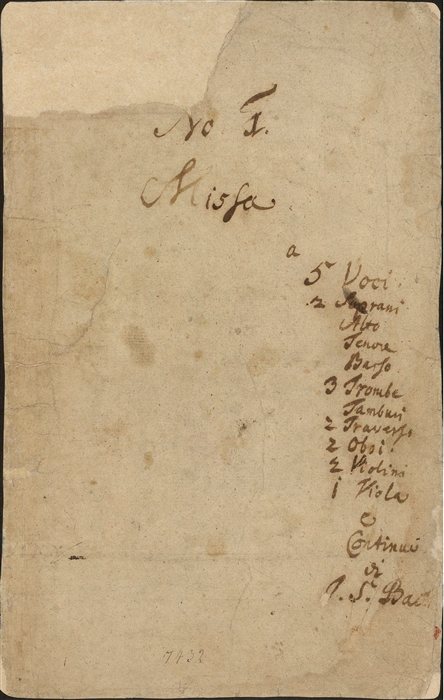
Mass settings run from simple Medieval chant, sung in unison with no harmony at all, through elaborate Renaissance polyphony written for church choirs, to large-scale Baroque and Classical-era settings (like Bach's Mass in B Minor) scaled up with full orchestra and vocal soloists into effectively concert works rather than pieces intended for liturgical use. Composers generally set the Ordinary, the five texts (listed above) that stay the same at every Mass, rather than the Proper, the readings and prayers that change with the church calendar - which is exactly why the same five-part structure recurs across centuries of otherwise very different musical settings.
One specialized branch deserves its own mention: the Requiem, a Mass for the dead that replaces some of the standard Ordinary texts with funeral-specific ones, became a major genre of its own by the Classical and Romantic eras. Beethoven's Missa Solemnis, meanwhile, shows the ordinary Mass pushed to a similarly monumental, symphonic scale without shifting to funeral texts at all.
Where to start listening: Bach's Mass in B Minor is the form's most towering achievement; for something more austere, Palestrina's Renaissance Mass settings show the style at its purest.