Musical Era
Classical
Balance, clarity, and the sonata form that shaped everything after it.
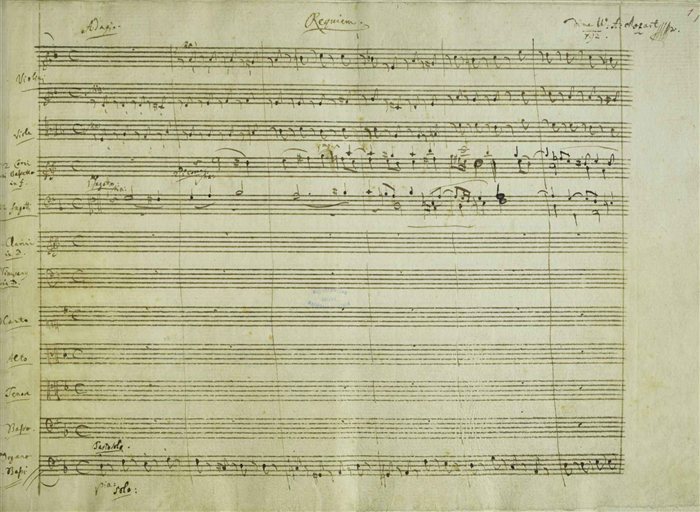
If the Baroque era prized elaboration, the Classical era that followed it prized restraint. Composers reacted against the density of Bach and Handel's generation in favor of clearer melodies, simpler harmonic accompaniment, and a strong sense of balance and proportion - musical architecture, in a sense, rather than musical embroidery.
The defining structural achievement of the era is sonata form: a three-part template (exposition, development, recapitulation) built around presenting one or two contrasting musical themes, working them through tension in the middle section, and resolving back to the opening material. It became the default shape for symphony and sonata movements for the next 150 years, which is why understanding it unlocks an enormous amount of later music too.
This is also when the modern orchestra and the string quartet take the form we'd recognize today, and when the symphony grows from a short curtain- raiser into a substantial, multi-movement centerpiece. Joseph Haydn is often credited as "the father of the symphony" and "the father of the string quartet" for exactly this reason.
Composers to know: Wolfgang Amadeus Mozart, Joseph Haydn, and the early work of Ludwig van Beethoven (before he pushed the era's conventions past their breaking point and into the Romantic era).
Where to start listening: Mozart's Symphony No. 40 is a compact, dramatic introduction to everything sonata form can do; Haydn's Symphony No. 94 ("Surprise") shows the era's wit.