Musical Era
Baroque
Ornamentation, basso continuo, and the birth of opera.
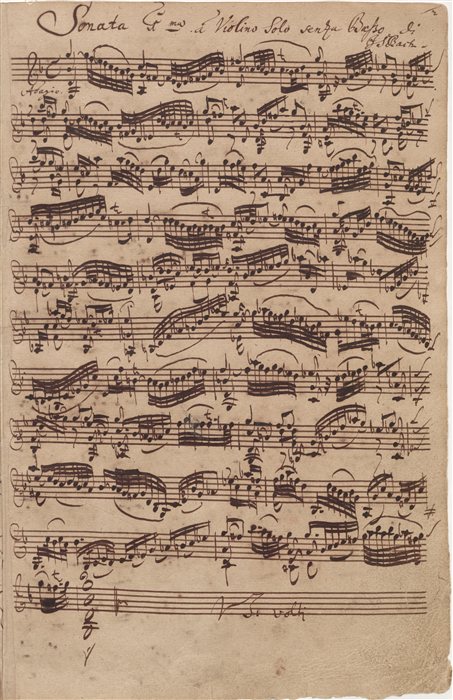
The Baroque era is where classical music starts to sound instantly recognizable to modern ears. Two technical developments define it. First, basso continuo: a bass line, usually played by a cello or bassoon alongside a keyboard instrument (harpsichord or organ) filling in the harmony, running underneath almost everything. Second, a taste for ornamentation - trills, turns, and elaborate decoration layered onto melodies, often improvised by the performer.
This is also the era that invents opera: fully staged musical drama, combining solo singing, orchestra, and theater. Alongside it, the concerto takes shape as a form built on contrast - a soloist or small group set against a larger ensemble, trading musical ideas back and forth. Vivaldi's The Four Seasons is the most famous example of exactly this idea.
Structurally, Baroque music tends to explore one musical idea thoroughly within a movement, rather than juxtaposing contrasting themes the way later Classical-era music would. The fugue - a form built by layering the same melodic subject in overlapping voices - is the era's signature intellectual achievement, perfected by Johann Sebastian Bach.
Composers to know: Johann Sebastian Bach, George Frideric Handel, and Antonio Vivaldi are the era's towering figures - between them they cover sacred choral music, opera and oratorio, and the concerto.
Where to start listening: Vivaldi's The Four Seasons is the most accessible entry point; Bach's Brandenburg Concertos reward a second and third listen once the era's sound feels familiar.