Musical Form
Impressionism in Music
Blurred, coloristic harmony that evokes a mood rather than tells a story.
20th Century Style
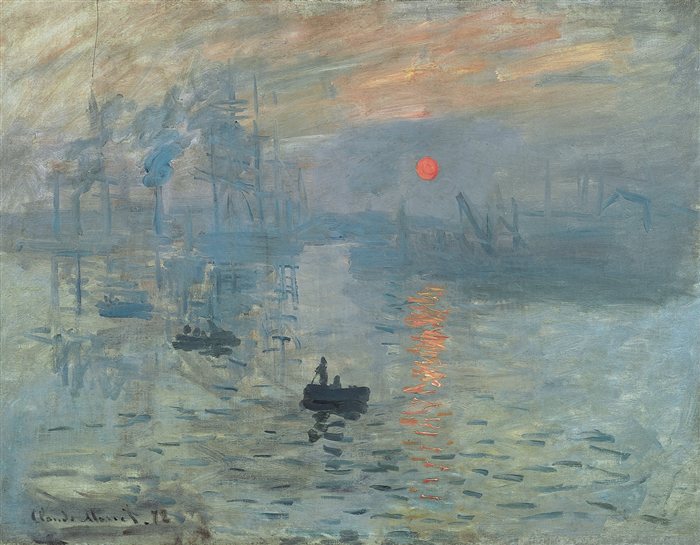
Musical Impressionism, named by analogy with the Impressionist painters, favors atmosphere and color over the clear harmonic narrative - tension building and resolving toward a home key - that defines Classical and Romantic-era music. Composers use ambiguous, often unresolved harmony, unusual scales, and shimmering orchestral color to evoke a mood, a scene, or a fleeting sensory impression, rather than telling a linear musical "story."
Claude Debussy is the style's central figure, though he reportedly disliked the label; Maurice Ravel is closely associated with it too, despite writing music that's often more precisely structured than Debussy's. Both draw on painterly, evocative titles for their pieces
- reflections, clouds, moonlight - that point directly at the visual-art connection.
The style's musical toolkit includes techniques that would have sounded like errors to earlier composers: whole-tone scales that avoid the strong pull toward a home key, chains of unresolved chords moved in parallel motion ("planing") rather than following standard harmonic rules, and orchestration built for shimmering blends of color rather than clearly separated melodic lines. Ravel's ballet score Daphnis et Chloé is often cited as Impressionism's fullest orchestral statement. The style provoked a reaction, too: many composers in the 1920s turned toward a clearer, more angular neoclassicism partly as a deliberate step away from Impressionist haze.
Where to start listening: Debussy's Clair de Lune is the genre's single most famous piece; his Prelude to the Afternoon of a Faun shows the style at full orchestral scale.