Musical Era
Romantic
Bigger orchestras, bigger emotions, and music with a story to tell.
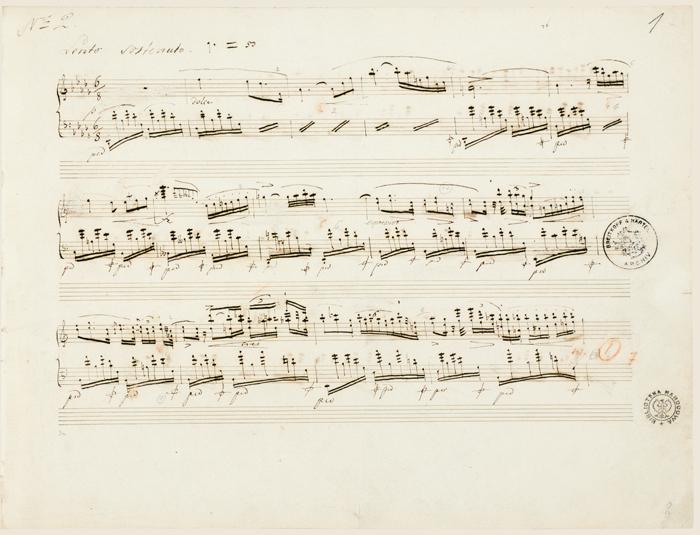
The Romantic era takes the Classical era's structures and pours a much larger emotional range into them. Where Mozart and Haydn valued balance, Romantic composers wanted music that could sweep, ache, rage, and swoon
- often taking direct inspiration from literature, folklore, and personal experience rather than abstract musical logic alone.
The orchestra grows substantially over this period: more brass, a fuller string section, an expanded range of percussion, and new instruments entering regular use. That growth in raw resources is part of how the era achieves its scale - a Tchaikovsky climax or a Brahms slow movement simply has more sound available to it than a Haydn symphony did.
This is also the era of musical nationalism: composers across Europe, from Dvorak in Bohemia to Grieg in Norway, began weaving folk melodies and national character into concert music, partly as an artistic statement about identity distinct from the older Austro-German tradition.
Composers to know: Frederic Chopin (piano miniatures and poetry), Johannes Brahms (symphonic weight built on Classical-era discipline), and Pyotr Ilyich Tchaikovsky (ballet and orchestral drama) each represent a different facet of the era.
Where to start listening: Tchaikovsky's 1812 Overture or The Nutcracker suite are immediately engaging; Chopin's Nocturnes reward quieter, slower listening.