Musical Era
20th Century / Modernist
Composers break from tonality and reinvent what music could be.
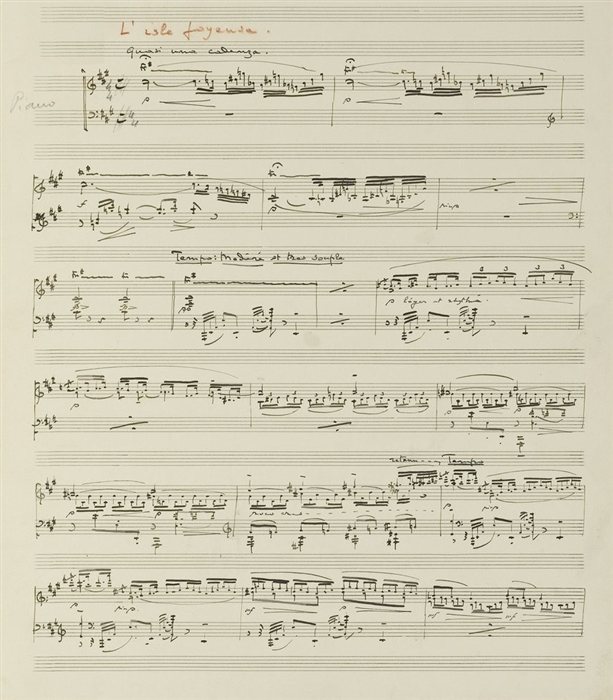
The 20th century opens with composers actively dismantling the assumptions the previous three hundred years had been built on. Claude Debussy leads one branch of this - Impressionism - using blurred, ambiguous harmony to evoke atmosphere and color rather than tell a clear harmonic "story" the way Classical or Romantic music did.
A more radical branch abandons tonality (the sense of a home key that music resolves back to) altogether. Arnold Schoenberg's twelve-tone technique treats all twelve notes of the chromatic scale as equals, with no single note allowed to dominate as a "home." Igor Stravinsky's The Rite of Spring took a different route to the same shock - not atonality, but brutal, irregular rhythm and dissonance so aggressive it reportedly caused a riot at its 1913 premiere.
Composers to know: Igor Stravinsky (rhythm and primal energy), Claude Debussy (Impressionist color), and Arnold Schoenberg (atonality and the twelve-tone method).
Where to start listening: Debussy's Clair de Lune is a gentle way in; Stravinsky's The Rite of Spring is the era's most confrontational and most rewarding piece once you're ready for it.