Musical Form
Suite
A set of shorter, contrasting pieces grouped into one work.
Orchestral / Chamber
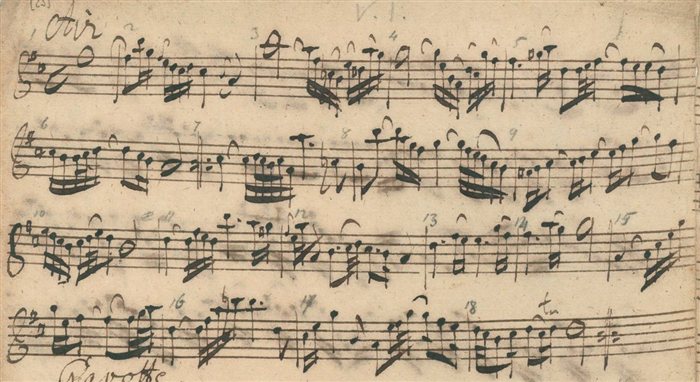
A suite is a collection of shorter pieces, or movements, gathered together and performed as one work, usually linked by a shared idea rather than the tight structural logic of a symphony. In the Baroque era, suites were typically built from a sequence of stylized dances - an allemande, courante, sarabande, and gigue were common building blocks, each with its own tempo and character.
A typical Baroque dance suite ran allemande, courante, sarabande, then gigue - moderate, flowing, slow, then fast - with optional extra dances like a minuet, bourrée, or gavotte often inserted between the sarabande and the closing gigue. Handel's Water Music and Music for the Royal Fireworks, written for outdoor royal occasions rather than the dance floor, show the suite already stretching beyond its strict dance-form origins even within the Baroque era itself.
Later composers loosened the form further, assembling suites from excerpts of larger stage works (Tchaikovsky's Nutcracker Suite draws its movements from the full ballet) or as freestanding sets of character pieces with no dance connection at all. The practice carried into the 20th century as a practical way to give a work a second life in the concert hall: Prokofiev drew a suite from his film score for Lieutenant Kijé, and Grieg's incidental music for the play Peer Gynt is now far better known through the two orchestral suites drawn from it than through the play itself.
Where to start listening: Bach's Orchestral Suites show the Baroque dance-suite format; Tchaikovsky's Nutcracker Suite is a friendly, melody-driven alternative. Grieg's Peer Gynt Suite No. 1, especially "Morning Mood" and "In the Hall of the Mountain King," is another approachable, tuneful entry point.