Musical Form
Oratorio
A large-scale sacred drama, told through music, without staging.
Vocal
An oratorio is, in almost every practical sense, an opera without the staging: it uses the same forces - chorus, vocal soloists, and orchestra - and often tells a dramatic story, usually on a religious or biblical subject, but it's performed in a concert setting, with no sets, costumes, or acting.
The form developed in the Baroque era alongside opera, partly as a way to present dramatic religious narrative during periods (like Lent) when staged opera was considered inappropriate. Its earliest roots trace to 17th-century Italy, in the devotional dialogues of composers like Giacomo Carissimi, but it was George Frideric Handel, writing in England decades later, who turned the oratorio into the genre's most enduring achievement - shifting the English public's appetite away from staged Italian opera and toward large-scale English-language choral works instead.
Like a cantata or an opera, an oratorio alternates recitative (sung narration that advances the plot) with arias (reflective solo numbers) and choral movements, but on a larger scale and typically over a full evening rather than a single church service. The tradition continued well past Handel: Haydn's The Creation, depicting the biblical story of creation with vivid orchestral tone-painting, and Mendelssohn's Elijah, modeled explicitly on Handel's example, are both cornerstones of the choral repertoire.
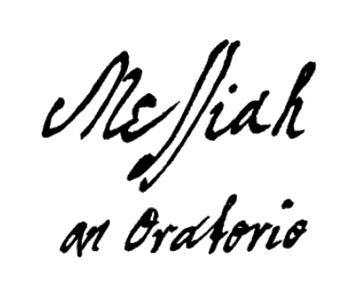
Where to start listening: Handel's Messiah is by far the most famous oratorio and a natural first listen - its "Hallelujah" chorus is one of the most widely recognized pieces of choral music ever written. Haydn's The Creation is a good next step, especially the sunrise-like orchestral depiction of "Let there be light."