Musical Form
Overture
The orchestral curtain-raiser that opens an opera, or stands alone.
Orchestral
An overture is an orchestral piece that opens a larger work - typically an opera, but also oratorios and ballets - played before the curtain rises or the action begins. Its job is partly practical (settling the audience, signaling the evening is starting) and partly musical: many overtures preview melodic material that will return later in the work, giving the audience a taste of what's ahead.
Over time, composers also began writing concert overtures: standalone orchestral works in the same single-movement, curtain-raiser style, but not attached to any opera at all - Tchaikovsky's 1812 Overture is the most famous example, written to commemorate a historical event rather than to open a stage work.
Classical and early Romantic overtures were often built loosely on sonata form, the same structural logic used in symphony first movements, which is part of why some (like Beethoven's Egmont and Leonore overtures, written for a play and an opera respectively) hold up so well as independent concert pieces even after audiences stopped seeing the stage works they introduced. Later in the Romantic era, Wagner pushed in the opposite direction, blurring the boundary between overture and drama entirely by having his preludes flow directly, without pause, into the opening scene rather than standing apart as a separate curtain-raiser.
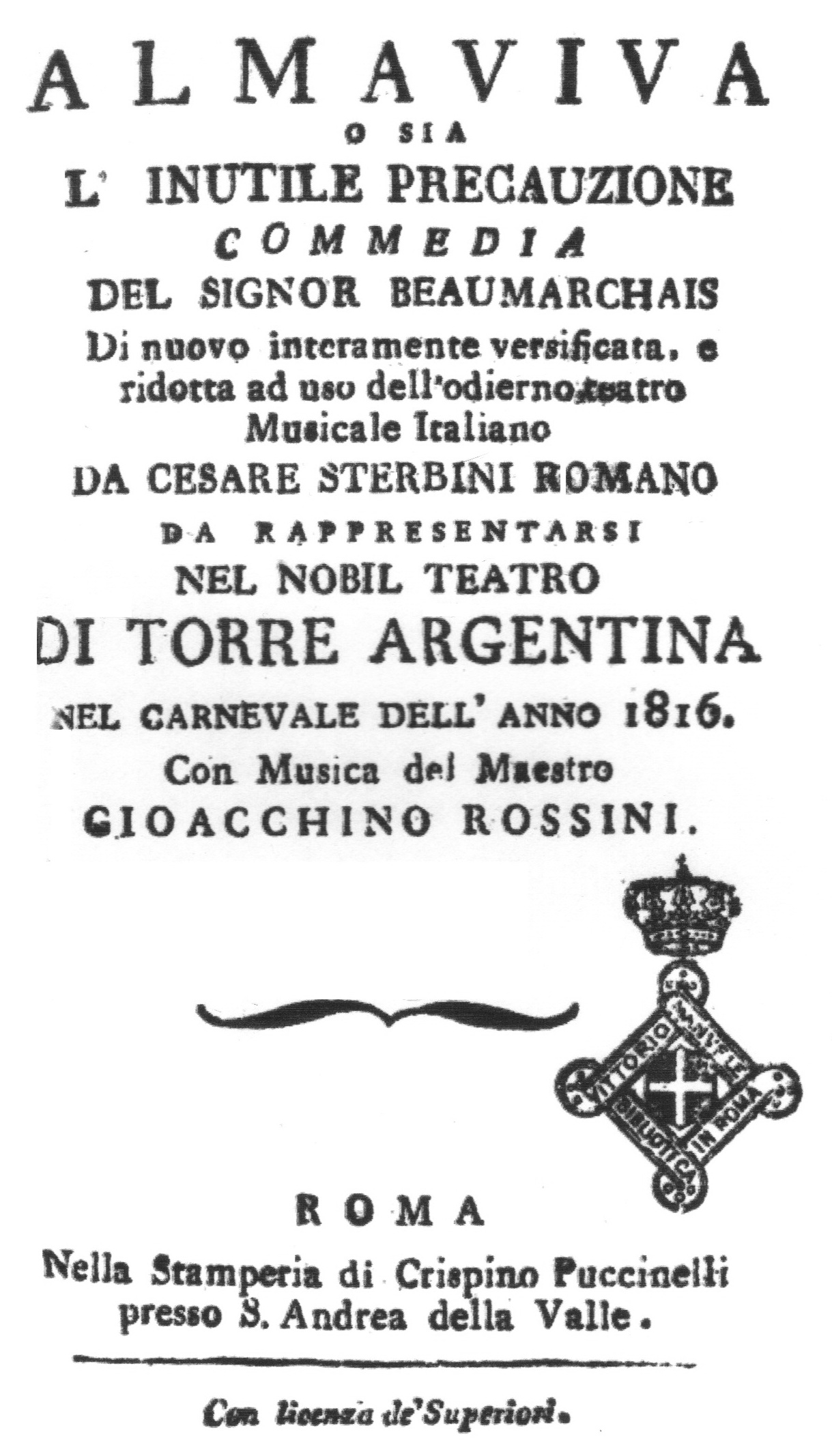
Where to start listening: Tchaikovsky's 1812 Overture is a spectacular, self-contained entry point; Rossini's overture to The Barber of Seville shows the form's lighter, wittier side.