Musical Era
Late Romantic / Post-Romantic
The Romantic era pushed to its lushest, largest extreme.
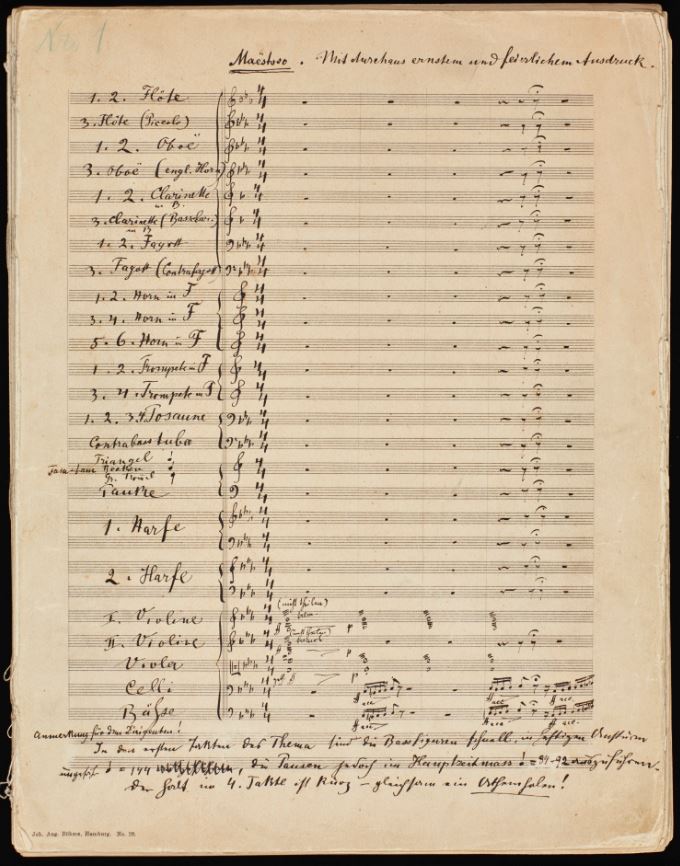
Late Romanticism is best understood as the Romantic era's ideals taken to their logical extreme, right up until they start to break. Orchestras grow larger still; symphonies grow longer still (Gustav Mahler's routinely run past an hour); and harmony becomes so chromatic and unstable that it sits right on the boundary of traditional tonality, setting the stage for the 20th century composers who would push past it entirely.
It's a relatively short period, but a pivotal one: it's simultaneously the last full flowering of the Romantic sensibility and the direct on-ramp to Modernism.
Composers to know: Gustav Mahler (vast, searching symphonies) and Richard Strauss (tone poems and opera, with a gift for orchestral color).
Where to start listening: Richard Strauss's Also sprach Zarathustra (the opening is instantly familiar) is a good introduction to the era's sound before committing to a full Mahler symphony.