Composer
Frederic Chopin
A pianist-composer who wrote almost exclusively for his own instrument.
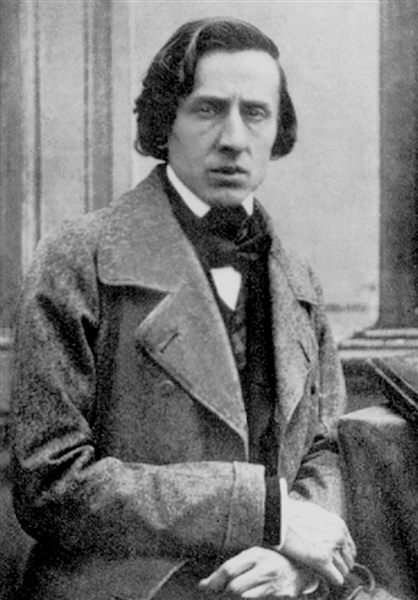
Frederic Chopin is unusual among major composers for how narrow his focus was: almost his entire output is for solo piano (or piano with orchestra), and he wrote comparatively little for any other combination of instruments. That narrowness let him refine piano writing to an extraordinary degree - his music is prized for how naturally it sits under the hands and how completely it exploits the instrument's expressive range.
His Nocturnes perfected a genre he didn't invent but made entirely his own: quiet, singing, deeply intimate piano pieces evoking nighttime reflection. His Etudes turned technical practice pieces into genuine concert repertoire, each one built around a specific pianistic challenge. His Polonaises and Mazurkas draw directly on Polish folk dance forms, reflecting the nationalist strand running through much Romantic-era music and Chopin's own lifelong identification with Poland, even after he settled permanently in Paris.
Chopin rarely performed in large public concert halls, generally preferring smaller, more intimate salon settings - a fitting match for music built around such personal, confiding expression.
Where to start listening: the Nocturne in E-flat major, Op. 9 No. 2, is Chopin's single most beloved piece; the "Revolutionary" Etude shows his more turbulent, dramatic side.