Composer
Antonin Dvorak
A Czech nationalist voice who found fresh inspiration during three years in America.
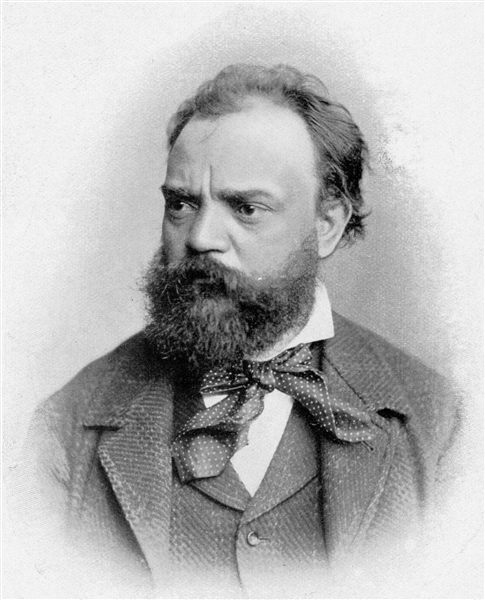
Antonin Dvorak built much of his early reputation on distinctly Czech and Slavic musical material - folk-influenced melody and dance rhythms
- part of the broader wave of musical nationalism running through the Romantic era. That reputation eventually brought him to the United States, where he spent three years directing a conservatory in New York.
It was during that American period that he wrote his best-known work, Symphony No. 9, subtitled "From the New World." Dvorak drew on melodic ideas inspired by African American spirituals, introduced to him by his student Harry Burleigh, along with secondhand, Europeanized impressions of Native American music - scholars now doubt he had much direct exposure to it - filtered through his own Czech-Romantic sensibility. The result became one of the most performed and recorded symphonies ever written, and its slow movement's main theme is now widely known as a standalone melody in its own right.
Dvorak also encouraged American composers to look to their own folk and popular traditions for inspiration rather than simply imitating European models - advice Copland and others would take seriously a generation later.
Where to start listening: the second movement ("Largo") of Symphony No. 9 contains its most famous melody; the finale shows the symphony's full dramatic sweep.