Composer
Giacomo Puccini
Italian opera's last great Romantic melodist, writing straight through the turn of the century.
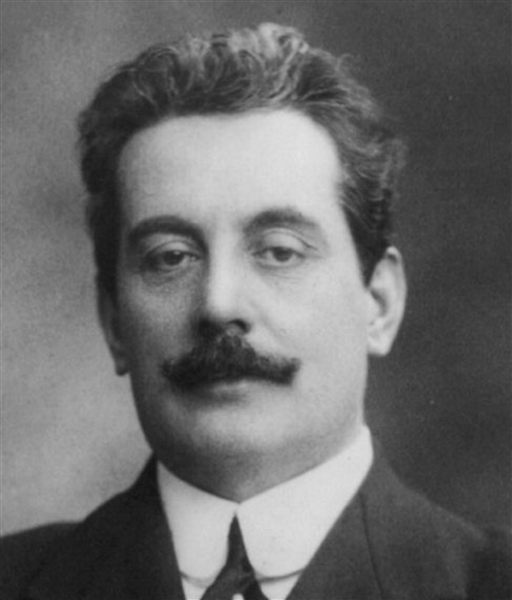
Giacomo Puccini picked up the Italian opera tradition that Verdi had dominated and carried it into the 20th century, writing some of the genre's most enduringly popular works
- La Boheme, Madama Butterfly, and Tosca remain fixtures of opera houses worldwide, prized for melodies that land with almost immediate emotional force.
La Boheme, following young bohemian artists in Paris, is often recommended as a first opera for exactly that directness. His final work, Turandot, was left incomplete at his death and finished by another composer using his sketches - a fitting echo of Mozart's own unfinished Requiem over a century earlier, and it contains "Nessun dorma," one of the most famous tenor arias ever written.
Puccini's melodic instincts and orchestration influenced film composers directly, and his work is frequently cited as a bridge between 19th-century Italian Romanticism and the emotionally direct scoring that later powered film music.
Where to start listening: "Nessun dorma" from Turandot is the most famous single aria in his output; La Boheme is the friendliest full opera to start with.