Composer
Richard Strauss
A master orchestrator who pushed the symphonic poem to its most vivid extreme.
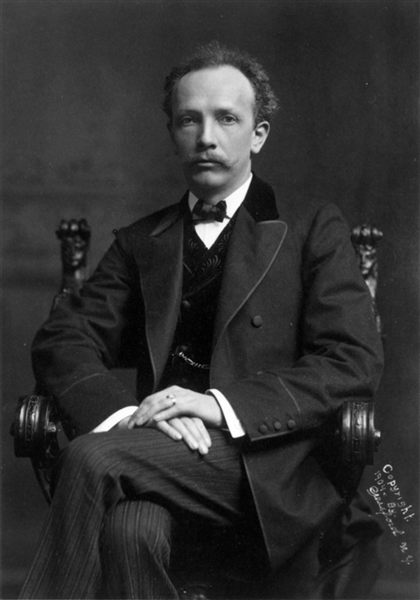
Richard Strauss (no relation to the Strauss waltz family) took the symphonic poem - a form pioneered by Liszt - and pushed it toward extraordinarily vivid, almost literal orchestral storytelling, using the full resources of the Late Romantic orchestra to depict specific scenes, characters, and even philosophical ideas in sound.
Also sprach Zarathustra, inspired by Nietzsche's philosophical text, opens with a majestic sunrise depiction so widely used in film and media since that many listeners know its opening minute without knowing the piece's name or the philosophy behind it. His opera Der Rosenkavalier shows a different side entirely: a warm, nostalgic comedy set in 18th-century Vienna, rich with waltz-inflected melody.
Strauss lived long enough to see his Late Romantic style go from cutting-edge to old-fashioned as Modernism took hold around him, and he continued composing in his own lush idiom largely undeterred, becoming one of the last major voices working in a fully Romantic orchestral language.
Where to start listening: the opening of Also sprach Zarathustra is instantly recognizable; the final trio from Der Rosenkavalier shows his gift for vocal writing.