Composer
Maurice Ravel
A meticulous orchestrator, often grouped with Debussy but far more precisely structured.
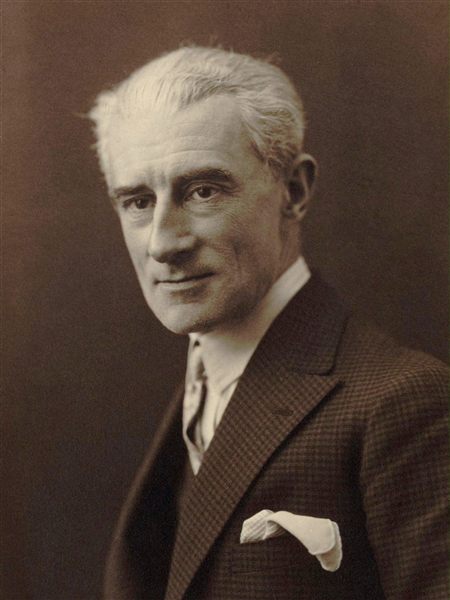
Maurice Ravel is closely associated with Impressionism and often mentioned in the same breath as Debussy, but his music tends to be far more precisely constructed - where Debussy favored harmonic haze, Ravel is famous for extraordinary structural clarity and, above all, for his command of orchestration, the craft of assigning musical material to specific instruments for maximum color and effect.
Bolero is his most famous demonstration of that skill: two contrasting melodies alternate over and over across roughly fifteen minutes, with almost nothing changing except which instruments are playing them and how loud the whole orchestra has grown, building steadily from a solitary flute and snare drum to the full ensemble. It's one of the starkest illustrations in the entire orchestral repertoire of orchestration alone driving a piece's impact. His Pavane pour une infante defunte ("Pavane for a Dead Princess"), originally for piano and later orchestrated, shows his gentler, more nostalgic side.
Ravel wrote across a wide range of genres - piano music, chamber music, ballet, opera - but it's his ear for orchestral color that most defines his reputation today.
Where to start listening: Bolero is impossible to miss once you know what to listen for; the Pavane is a quieter, more introspective alternative.