Instrument
Viola
The violin's slightly larger, lower-voiced sibling.
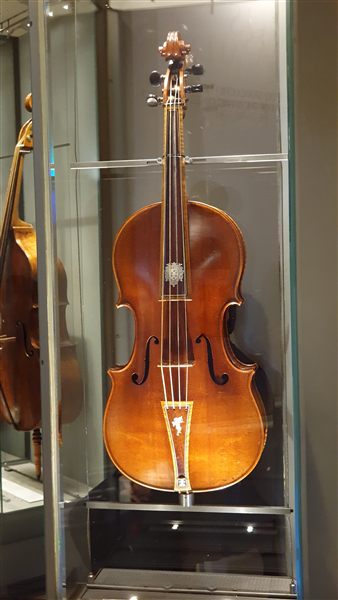
The viola looks almost identical to the violin, just noticeably larger, and is tuned a fifth lower - giving it a warmer, darker, more alto-range voice than its higher-pitched relative. It's read using its own dedicated clef (the alto clef), which trips up many musicians trained first on other instruments, since middle C sits in the middle of the staff rather than below it.
For much of classical music's history, the viola played a supporting, inner-voice role - filling out harmony between the violins above and the cello below, rather than carrying the melody. That's part of why viola jokes are a long-running tradition among orchestral musicians. Composers increasingly gave the instrument more prominent material from the Romantic era onward, and it now has a real, if smaller, solo and concerto repertoire of its own.
In the string quartet, the viola sits between the two violins and the cello, often described as the ensemble's harmonic glue.
Where to start listening: listen to any string quartet with the viola part isolated (many recordings and scores make this easy) to hear how much inner-voice work it's quietly doing underneath the melody.