Composer
Igor Stravinsky
The composer whose ballet score reportedly caused a riot.
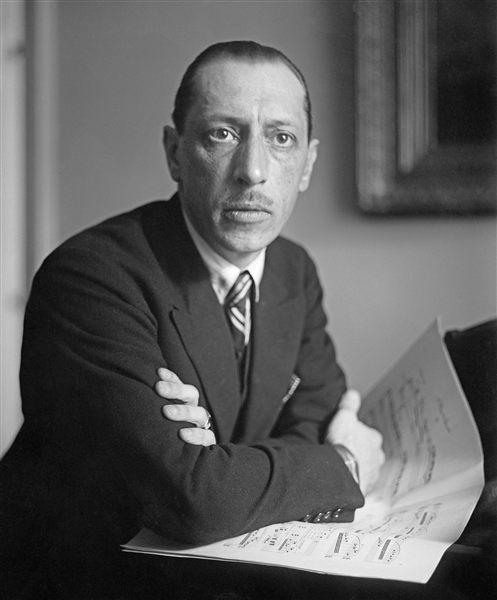
Igor Stravinsky made his name writing ballet scores for Sergei Diaghilev's Ballets Russes in Paris, and it's his third score for that company, The Rite of Spring, that defines his reputation: its violent, irregular rhythms and dissonant harmony reportedly provoked a riot at its 1913 Paris premiere, in what's become one of the most famous scandals in classical music history - regardless of how exaggerated the riot stories have grown over the decades, the shock was real, and the piece remains one of the most disruptive, influential works of the 20th century.
His earlier ballet, The Firebird, is more conventionally lush and melodic, drawing on Russian folk tale and late Romantic orchestral color
- a useful reminder that Stravinsky's style shifted dramatically across his long career, moving through several distinct phases rather than settling into one signature sound.
Stravinsky's willingness to break sharply from inherited convention, in both rhythm and harmony, made him one of the most important and widely imitated figures in 20th-century Modernism.
Where to start listening: The Firebird suite is a gentler entry point; The Rite of Spring's opening "Augurs of Spring" section shows the rhythmic shock that made it famous.