Composer
Ottorino Respighi
The orchestral painter of Rome, who brought ancient music back to life.
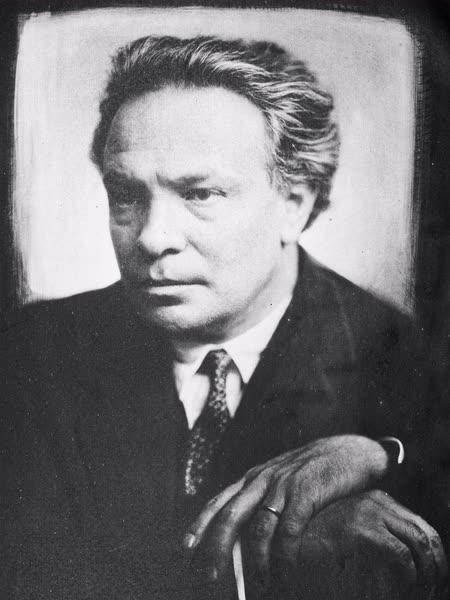
Ottorino Respighi was one of the most brilliant orchestrators of the 20th century. His three symphonic portraits of Rome - its fountains, its pine trees, and its festivals - are spectacular showpieces, and he had a lifelong love of old music, which he arranged for the modern orchestra with irresistible charm.
Life in brief
Respighi was born in Bologna in 1879, into a musical family; his father was a piano teacher. He trained as a violinist and violist at the Bologna conservatory, and in 1900 went to Russia as principal viola in the orchestra of the Imperial Opera in St. Petersburg. There he took lessons in orchestration from Rimsky-Korsakov, which shaped his whole career.
In 1913 he moved to Rome to teach composition at the Liceo (later Conservatory) of Santa Cecilia, and he made the city his home. Fountains of Rome (1916) made him famous, and he became the best-known Italian composer of orchestral music of his generation, touring widely as a pianist and conductor of his own works. In 1919 he married his pupil Elsa Olivieri-Sangiacomo, a singer and composer who became his closest collaborator and later completed some of his unfinished works. He died in Rome in 1936.
Music and style
Respighi's orchestral music is a feast of color: shimmering strings, glittering harps and celesta, brilliant brass, and crashing climaxes, in the tradition of Rimsky-Korsakov and Richard Strauss. At the same time he loved the music of the past, from Gregorian chant to Renaissance lute songs and Baroque dances, and much of his music combines the old and the new.
Key works
- Pines of Rome (1924) - four scenes of pine trees in Rome, from children playing to a recorded nightingale singing in the moonlight, ending with a Roman army marching along the Appian Way, with extra brass. See symphonic poem.
- Fountains of Rome (1916) - four fountains at different times of day, from dawn to dusk.
- Roman Festivals (1928) - the loudest and wildest of the trilogy, from gladiators in the Circus Maximus to a riotous modern festival.
- Ancient Airs and Dances (1917–1931) - three suites of 16th- and 17th-century lute pieces, beautifully arranged. See suite.
- The Birds (1928) - a charming suite based on Baroque harpsichord pieces imitating birdsong.
- La boutique fantasque (1918) - a ballet for the Ballets Russes, arranged from piano pieces by Rossini. See ballet music.
Legacy
Respighi's spectacular orchestration influenced many later composers, including film composers, and his Roman trilogy remains a showcase for great orchestras. Pines of Rome reached a new generation in Disney's Fantasia 2000. See also the Late Romantic era.
Where to start listening: Pines of Rome, especially its moonlit third movement and blazing finale, then the third suite of Ancient Airs and Dances.