Instrument
Oboe
A double-reed woodwind with a penetrating, nasal tone - and the orchestra's tuning note.
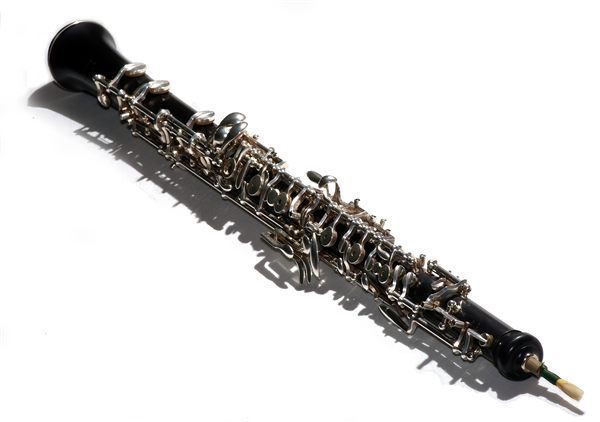
The oboe produces sound through a double reed - two thin strips of cane bound together, vibrating against each other when the player blows between them - giving it a penetrating, slightly nasal tone that cuts through the rest of the woodwind family even at moderate volume. That reed is also notoriously difficult to make and adjust well, and many professional oboists make their own reeds by hand rather than relying on manufactured ones.
The oboe holds one specific ceremonial role in nearly every orchestra: it plays the tuning note (usually an A) that the rest of the orchestra tunes to before a performance begins, a tradition that persists partly because the oboe's steady, clearly-defined pitch is easy for every other instrument to match against.
Unlike the clarinet's cylindrical bore, the oboe's tube is conical - narrow at the reed end and gradually widening toward the bell - which is a major reason the two instruments, despite both being single-piece woodwinds with keywork, produce such different tone colors. The oboe descends from the shawm, a loud, piercing outdoor double-reed instrument common in medieval and Renaissance Europe, refined into a quieter, more flexible indoor concert instrument in 17th-century France. Its combination of tuning duties and a strong solo voice has also made it a favorite concerto subject, with Mozart's Oboe Concerto in C major among the most performed works in the instrument's repertoire.
Where to start listening: the oboe's opening solo in Tchaikovsky's Swan Lake theme is one of its most recognizable orchestral moments. The extended oboe solo opening the slow movement of Brahms's Violin Concerto is another well-known showcase, so prominent that the violinist Pablo de Sarasate reportedly balked at playing the piece, saying he had no interest in standing on stage while the oboe got the only real melody.